Five Elements in Chi
What Are the Five Elements, Exactly?
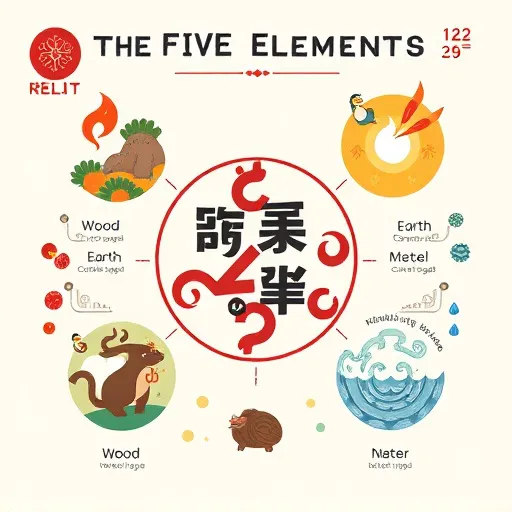
So, what are the five elements in Chinese astrology and what do they mean? Great question—and the answer is way more interesting than your average personality quiz. The five elements—often called the Five Phases or Wu Xing in classical texts—are Wood, Fire, Earth, Metal, and Water. Unlike the Western classical elements, which were mostly about what stuff is made of, the Chinese five elements are all about how things change. They describe processes, movements, and relationships rather than static substances sitting in a jar.
Think of them as five archetypal energies that flow through everything: seasons, organs, emotions, careers, and yes—your personality. When people ask what are the five elements in Chinese astrology and what do they mean for everyday life, the short answer is this: they're a lens for spotting patterns. An astrology chart reading based on this system looks at which elements are dominant, which are weak, and how they interact to paint a picture of who you are and how you move through the world.
The Five Elements and Their Core Meanings in Chinese Astrology
Before we break each one down, here's the big-picture answer to what are the five elements in Chinese astrology and what do they mean: each element maps to a season, an emotion, a set of traits, and a style of movement. Let's walk through them one by one.
1. Wood — Growth, Vision, and Expansion in Chinese Astrology
Wood represents upward movement and new beginnings. It's the energy of spring, of seeds pushing through soil, of plans taking shape. In a Chinese astrology birth chart, strong Wood often points to someone who's visionary, ambitious, and a natural strategist.
On the flip side, too much Wood can show up as rigidity or frustration when growth gets blocked. Wood types tend to be driven but can struggle with flexibility. They're the planners, the builders, the ones who need a direction to grow toward—and honestly, they're the people who get restless when life stands still.
- Season: Spring
- Emotion: Anger (when imbalanced)
- Traits: Visionary, ambitious, growth-oriented, sometimes inflexible
2. Fire — Passion, Expression, and Connection in Chinese Astrology
Fire is the element of summer, of peak energy, of visibility. If Wood is the seed, Fire is the bloom. In Chinese element personality analysis, Fire-dominant people are often expressive, charismatic, and emotionally warm. They light up a room—but they can also burn hot and fast.
Fire is tied to the heart and to joy. When balanced, it brings enthusiasm and leadership. When excessive, it can mean burnout, anxiety, or drama. Fire types need to be seen and heard; they thrive when they're expressing themselves. This is a core piece of what are the five elements in Chinese astrology and what do they mean—Fire is the element that craves connection.
- Season: Summer
- Emotion: Joy (or overexcitement when imbalanced)
- Traits: Charismatic, expressive, passionate, sometimes impulsive
3. Earth — Stability, Nurturing, and Grounding in Chinese Astrology
Earth sits at the center of the five elements—literally and symbolically. It's the energy of late summer, harvest, and the transitions between seasons. Earth types are the anchors: reliable, nurturing, and deeply practical.
In Chinese zodiac element compatibility, Earth often plays a stabilizing role. It grounds Fire, contains Water, and gives Wood something to root into. People with strong Earth are often the ones friends lean on. Too much Earth, though, can mean stubbornness or getting stuck in routine. When you dig into what are the five elements in Chinese astrology and what do they mean for relationships, Earth is usually the glue holding things together.
- Season: Late summer / seasonal transitions
- Emotion: Worry (when imbalanced)
- Traits: Reliable, nurturing, practical, sometimes overly cautious
4. Metal — Clarity, Structure, and Refinement in Chinese Astrology
Metal is the element of autumn—the harvest, the cutting away of what's no longer needed, the crisp air. It represents boundaries, precision, and quality. In Five Element theory, Metal types are often organized, principled, and discerning.
Metal is associated with the lungs and with grief. When balanced, it brings clarity and integrity. When imbalanced, it can show up as rigidity, perfectionism, or emotional coldness. Metal people value order and often have a strong sense of justice. It's a classic example of what are the five elements in Chinese astrology and what do they mean in practice—Metal is the quality-control department of the personality.
- Season: Autumn
- Emotion: Grief (when imbalanced)
- Traits: Organized, principled, refined, sometimes perfectionistic
5. Water — Wisdom, Flow, and Depth in Chinese Astrology
Water is winter—stillness, depth, and the unseen. It's the most yin of the elements, associated with intuition, adaptability, and inner knowing. In Chinese metaphysics, Water types are often deep thinkers, perceptive, and quietly powerful.
Water flows around obstacles rather than through them. When balanced, it brings wisdom and resilience. When excessive, it can mean fear, isolation, or getting lost in thought. Water types need space to reflect; they're not usually the loudest in the room, but they often see the most. Rounding out what are the five elements in Chinese astrology and what do they mean, Water is the element of quiet depth.
- Season: Winter
- Emotion: Fear (when imbalanced)
- Traits: Intuitive, adaptable, deep, sometimes withdrawn
How the Generating Cycle and Controlling Cycle Shape Chinese Five Elements
Here's where it gets interesting. The five elements aren't just standalone categories—they're in constant relationship with each other. This is the heart of what are the five elements in Chinese astrology and what do they mean: it's really about how they interact. There are two main cycles you need to know.
The Generating Cycle (Sheng) is the "mother-child" relationship, where one element feeds the next:
- Wood feeds Fire
- Fire creates Earth (ash)
- Earth produces Metal (ore)
- Metal collects Water (condensation)
- Water nourishes Wood
In a destiny analysis, a chart with a healthy generating cycle tends to flow more easily—support comes naturally, and strengths build on each other.
The Controlling Cycle (Ke) is the "grandparent-grandchild" relationship, where one element keeps another in check:
- Wood controls Earth (roots break soil)
- Earth controls Water (dams and banks)
- Water controls Fire (extinguishes)
- Fire controls Metal (melts)
- Metal controls Wood (cuts)
Control isn't inherently bad—it's about balance. A little control keeps things from going to extremes. Too much, though, and you get suppression. In Chinese astrology compatibility, understanding these cycles helps explain why some combinations feel effortless and others feel like constant negotiation. This dynamic interplay is the real answer to what are the five elements in Chinese astrology and what do they mean beyond simple labels.
What the Five Elements Mean in Your Chinese Astrology Birth Chart
Your Chinese astrology birth chart is built around the year, month, day, and hour of your birth—each represented by a heavenly stem and an earthly branch, and each tied to one of the five elements. That gives you a total of eight elements (the famous BaZi or Four Pillars), and the balance between them tells a story.
Here's what an astrology chart reading typically looks at when decoding what are the five elements in Chinese astrology and what do they mean for you specifically:
- Dominant elements: Which energies come naturally to you
- Missing or weak elements: Areas where you might need support or conscious development
- Element interactions: How the generating and controlling cycles play out in your specific chart
For example, someone with strong Fire but weak Water might be charismatic and expressive but struggle with reflection or rest. Someone with lots of Metal but little Wood might be organized and principled but find it hard to pivot or grow. There's no "good" or "bad" chart—it's about awareness and balance.
Five Elements and Personality: A Quick Chinese Element Personality Analysis Reference
If you're into Chinese element personality analysis, here's a simplified snapshot of how each element tends to show up in behavior—a handy cheat sheet for what are the five elements in Chinese astrology and what do they mean in daily life:
- Wood: The visionary—driven, strategic, sometimes impatient
- Fire: The spark—expressive, warm, sometimes dramatic
- Earth: The anchor—steady, caring, sometimes stuck in comfort zones
- Metal: The architect—precise, principled, sometimes rigid
- Water: The sage—intuitive, adaptable, sometimes elusive
Most people are a blend, and the mix shifts depending on the year, month, day, and hour of birth. That's why two people born in the same year can have very different elemental profiles.
Why the Five Elements Still Matter in 2026 and Beyond
The five elements aren't just abstract philosophy—they're a practical lens for self-understanding. In a world that's increasingly fast-paced and fragmented, having a framework that emphasizes balance, cycles, and natural rhythms can be genuinely useful. Whether you're navigating a career shift, a relationship, or just trying to understand why you operate the way you do, the five elements offer a language for it.
And in 2026, with more people than ever exploring Chinese metaphysics and alternative frameworks for personal insight, the five elements remain one of the most accessible entry points. You don't need to believe in fortune-telling to get value from them—you just need to be curious about patterns. That curiosity is really the best starting point for what are the five elements in Chinese astrology and what do they mean in your own life.
Common Misconceptions About the Chinese Five Elements and Wu Xing
Let's clear a few things up, because misunderstandings around what are the five elements in Chinese astrology and what do they mean are pretty common:
- "Missing an element is bad." Not true. Missing elements just mean you need to cultivate those qualities consciously—or that you rely on others who have them.
- "Your element is fixed." Your core chart is fixed, but the elements you're influenced by shift over time (through annual cycles and luck pillars).
- "The five elements are just personality types." They're more than that—they're a system of relationships and processes that apply to health, timing, environment, and more.
How to Explore Your Own Five Elements Through Destiny Analysis
If you're curious about your own elemental makeup, the first step is getting a proper Chinese astrology birth chart done—you'll need your exact birth date, time, and location. From there, a destiny analysis can show you which elements are strong, which are weak, and how they interact.
You can also start noticing elemental themes in your daily life. Do you crave routine (Earth) or novelty (Wood)? Do you recharge alone (Water) or with people (Fire)? These small observations are often the most useful entry point—and honestly, they're a great way to test what are the five elements in Chinese astrology and what do they mean without needing a full chart reading first.