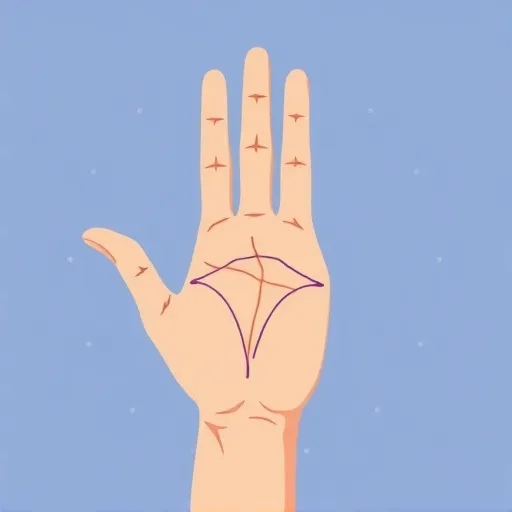
The art of palmistry
What Is Palmistry, Exactly? A Beginner's Guide to Hand Analysis and How to Read Palm Lines for a Long Life
Palmistry — sometimes called chiromancy or hand analysis — is the art of interpreting the shape, texture, and lines of the hands to get insight into a person's character, tendencies, and potential life path. It's been practiced across cultures for centuries, from ancient traditions in Asia and Europe to modern hand analysis communities that thrive online today. A palmistry expert or hand analysis specialist reads the hands like a kind of map, where each line and mount represents different aspects of life. If you've ever been curious about how to read palm lines for a long life, you're in the right place — this is where it all starts.
In 2026, palm reading has evolved big time. Many modern practitioners combine traditional techniques with psychological interpretation, turning hand analysis into a reflective tool rather than a fortune-telling gimmick. The life line, in particular, draws the most curiosity — and the most misconceptions. Understanding how to read palm lines for a long life begins with separating fact from fiction, so let's dig in.
The Big Myth About the Life Line, Longevity, and Vitality in Traditional Palmistry
Let's clear this up right away, because it's the number one misconception in palmistry: a long life line does not automatically mean a long life, and a short one doesn't mean a short life. This is probably the most important thing any professional palm reader will tell you. When people ask about how to read palm lines for a long life, they usually assume length equals lifespan — but that's just not how it works.
The life line actually reflects your vitality, your energy levels, your physical resilience, and major life changes — not a countdown clock. A person with a short but deep, clear life line might be incredibly energetic and healthy, while someone with a long, faint line might struggle with stamina. The quality of the line matters far more than its length. Once you understand this, how to read palm lines for a long life becomes much more nuanced and genuinely interesting.
Where to Find the Life Line on Your Palm: Locating Key Features for Hand Reading
Before you can interpret anything, you need to locate the line itself. Here's a simple way to do it:
- Hold your hand palm-up, relaxed, with fingers slightly spread.
- Find the life line — it starts between your thumb and index finger and curves down toward the base of your thumb, wrapping around the Mount of Venus (the fleshy pad at the base of the thumb).
- Notice its depth, clarity, curvature, and any breaks, branches, or chains along the way.
While you're there, take a moment to observe the other major lines too: the head line (running horizontally across the middle of the palm), the heart line (near the top, below the fingers), and the fate line (running vertically up the center). These all work together in a full hand reading. Knowing how to read palm lines for a long life means looking at the whole hand, not just one line.
Reading the Life Line for Vitality: Key Features Seasoned Practitioners Look For
Now for the fun part. Here's how to analyze the life line specifically through the lens of health, energy, and longevity — using the core principles that seasoned practitioners rely on when teaching how to read palm lines for a long life.
Depth, Clarity, and Constitutional Vitality in Palm Line Analysis
A deep, well-defined life line is traditionally associated with strong constitutional vitality — good stamina, resilience, and physical energy. A faint or shallow line may suggest lower energy reserves or a need to pay more attention to rest and recovery. When reading for a long life, depth is your first checkpoint. This is a fundamental step in how to read palm lines for a long life that beginners often overlook.
Length, Sustained Vitality, and Life Force Energy: Reading Beyond the Surface
Yes, length matters, but not in the way most people think. A life line that extends far down toward the wrist is often linked to sustained vitality and a strong life force energy. However, a shorter line that is clear and unbroken can indicate focused energy and efficient use of resources. The takeaway? Don't panic over a short line — look at the whole picture. How to read palm lines for a long life is about context, not just centimeters.
Curvature, the Mount of Venus, and Physical Warmth in Hand Analysis
A wide, sweeping curve that embraces a full Mount of Venus is considered a positive sign for physical warmth, generosity, and robust health. The fuller the mount, the more the tradition associates it with strong life force energy. A narrow curve may suggest a more reserved or sensitive constitution. These subtle details are exactly what make how to read palm lines for a long life such a rich practice.
Breaks, Chains, and Islands: Major Life Transitions and Energy Fluctuations
Breaks in the life line are often interpreted as major life transitions or periods of change — a move, a career shift, a health reset — rather than anything ominous. A chained (rope-like) line may indicate periods of stress or fluctuating energy. Islands (small enclosed loops) are sometimes read as times when you should be extra mindful of your wellbeing. Understanding these nuances is key to how to read palm lines for a long life accurately.
Branches, Forked Endings, and Ambition in Advanced Palmistry
Upward branches from the life line are generally seen as positive — signs of ambition, growth, and upward momentum. A forked ending at the bottom of the line is often interpreted as adaptability and a broadening of life experience in later years. These are subtle but meaningful details in advanced palmistry. Mastering how to read palm lines for a long life means paying attention to these small but telling features.
Travel Lines, Support Lines, and Influence Lines in Modern Hand Reading
Look for fine lines branching toward the life line (often called support lines or influence lines). These can indicate helpful people or fortunate circumstances during challenging periods. Some traditions also connect them to travel and new experiences that enrich your life. These supporting features add depth to how to read palm lines for a long life.
The Supporting Cast: Head Line, Heart Line, Fate Line, and Health Line
No line works in isolation. When reading palm lines for a long life, experienced analysts cross-reference several features:
- The Head Line: A clear, well-formed head line suggests mental clarity and focus, which supports overall wellbeing.
- The Heart Line: A balanced heart line relates to emotional health — and emotional health deeply influences physical vitality.
- The Fate Line: A steady fate line can indicate a sense of purpose and direction, which many practitioners link to a fulfilling, energetic life.
- The Health Line (Mercury Line): When present and balanced, it's read as an indicator of digestive and systemic health awareness. A broken or overly prominent health line is usually interpreted as a prompt to pay attention to lifestyle habits.
This holistic approach is what separates a basic reading from a genuinely insightful full hand analysis. If you really want to learn how to read palm lines for a long life, you can't skip the supporting cast.
Hand Shape, Skin Texture, and Constitutional Health Indicators
Palm lines tell only part of the story. Hand shape and skin quality add important context:
- Earth hands (square palm, shorter fingers) are often linked to practicality, stamina, and grounded energy.
- Water hands (long palm, long fingers) are associated with sensitivity and emotional depth.
- Air hands (square palm, long fingers) suggest intellect and communication.
- Fire hands (long palm, shorter fingers) are tied to enthusiasm, drive, and high energy.
Skin texture matters too. A firm, elastic palm is traditionally read as a sign of good constitutional health, while very dry or thin skin may suggest a need for better hydration and self-care. These are gentle indicators, not diagnoses — always consult a healthcare professional for medical concerns. Keep this in mind as you explore how to read palm lines for a long life.
Common Misconceptions About the Life Line and Longevity in Palmistry
Let's bust a few myths that still circulate in 2026:
- Myth 1: A long life line guarantees a long life. Reality: It reflects vitality, not lifespan.
- Myth 2: A short life line means a short life. Reality: This is simply false and causes unnecessary worry.
- Myth 3: Breaks in the line mean disaster. Reality: Breaks usually indicate transitions and changes, often positive ones.
- Myth 4: Only "gifted" people can read palms. Reality: Anyone can learn the fundamentals with practice and patience.
A responsible palmistry practitioner will always emphasize that hand reading is interpretive and symbolic — never a substitute for medical advice. And when it comes to how to read palm lines for a long life, skepticism toward these myths is actually your best starting point.
How to Practice Reading Palm Lines at Home: A Step-by-Step Routine
Ready to try it yourself? Here's a simple practice routine:
- Step 1: Find good lighting and relax your hand.
- Step 2: Take photos of both palms so you can study details closely.
- Step 3: Identify the major lines one at a time — life, head, heart, fate.
- Step 4: Note the depth, length, curvature, breaks, and branches of each.
- Step 5: Cross-reference with hand shape and skin texture.
- Step 6: Keep a journal of your observations over time — this builds your intuitive reading skills.
Many beginners find it helpful to compare their own hands with friends and family (with permission, of course). The more hands you observe, the more patterns you'll recognize. Online communities and courses in modern palmistry can also accelerate your learning. The best way to get good at how to read palm lines for a long life is simply to practice on as many hands as you can.
Ethics, Responsibility, and Wellness Guidance in Professional Palm Reading
If you're learning palmistry — especially around health-related questions — it's essential to stay ethical. Never tell someone their life line predicts illness or a short lifespan. That's not how responsible reading works. A good hand analyst frames everything as symbolic insight and encourages people to take charge of their wellbeing through lifestyle, nutrition, movement, and regular health checkups.
Palmistry at its best is empowering, not frightening. It's a mirror for self-reflection, not a verdict on your future. That ethical lens is especially important when you're exploring how to read palm lines for a long life.
The Modern Renaissance of Palmistry in the Digital Age
Interestingly, palmistry is experiencing a revival in 2026. Social platforms are full of short-form videos on hand reading techniques, and interest in traditional arts like chiromancy has surged among younger audiences curious about self-discovery. Digital tools — including apps that map palm lines using your phone camera — have made basic analysis more accessible than ever. That said, nothing replaces careful human observation and study. The best way to learn how to read palm lines for a long life is still to practice, observe, and cross-reference with reputable sources.
Experts also note that palmistry blends beautifully with other reflective practices — journaling, mindfulness, and even basic anatomy study. Understanding the structure of the hand (bones, muscles, tendons) gives your readings more grounded context. Many professional hand readers recommend learning a little anatomy alongside traditional palmistry symbols. This balanced approach is the future of how to read palm lines for a long life.