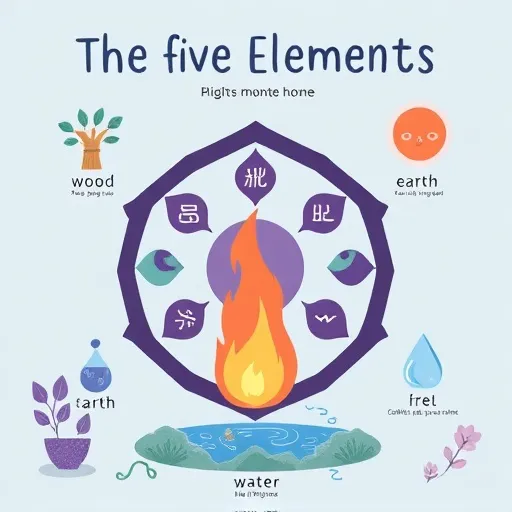
Five elements Easter
What Are the Five Elements, and Why Do They Matter in 2026?
The five elements—wood, fire, earth, metal, and water—come straight out of traditional Eastern philosophy, where they're seen as the fundamental building blocks of pretty much everything around us. Each one carries its own energy signature, its own color palette, texture, and emotional tone. When a single element takes over a space, things start to feel off: too much fire and a room feels chaotic and buzzy; too much water and it feels cold, stagnant, or just plain flat. If you've been wondering how to use the five elements to balance your home, this is exactly the framework that makes it click.
Here's what's genuinely interesting—this ancient framework has become surprisingly relevant in modern interior design. As remote work keeps blurring the lines between living and working spaces, and as wellness-focused architecture gains serious traction across the industry, the five elements offer a simple, intuitive system for creating environments that support how you actually want to feel. Professionals in sustainable design have been quietly weaving these principles into their work for years—2026 is just the year it's finally hitting the mainstream. Knowing how to use the five elements to balance your home isn't some woo-woo extra anymore; it's becoming a core skill for anyone who cares about their space.
Here's the quick breakdown before we go deep:
- Wood — growth, vitality, flexibility
- Fire — passion, warmth, visibility
- Earth — stability, nourishment, grounding
- Metal — clarity, precision, structure
- Water — flow, wisdom, rest
Wood Energy and Natural Timber: Bringing Growth and Vitality Indoors
Wood energy is all about upward movement—think fresh shoots, expanding branches, new beginnings. In your home, it translates to live plants, natural timber furniture, vertical shelving, and anything that feels tall and reaching. If a room feels stagnant or lifeless, wood is usually your first fix. This is one of the easiest entry points for how to use the five elements to balance your home—just add something alive and watch the room wake up.
Practical ways to add wood energy include placing a tall, leafy plant in a corner that feels empty or "dead," choosing furniture made from natural, unfinished, or light-toned timber, adding vertical elements like tall bookshelves or a statement floor lamp, and using botanical prints or green textiles in muted, natural tones.
One note from experience: wood energy works best in spaces where you want creativity and momentum—home offices, studios, entryways. In bedrooms, keep it moderate; too much active growth energy can make it harder to wind down at night. That balance is a big part of how to use the five elements to balance your home without overdoing it.
Fire Element and Warm Lighting: Warmth, Connection, and a Little Drama
Fire is the element of visibility and passion. It's connected to lighting, warmth, and anything that draws the eye. In design terms, that means lamps, candles, fireplaces (real or electric), warm color accents, and statement pieces that spark conversation. Get this one right and you've cracked a huge part of how to use the five elements to balance your home—fire is what makes a space feel alive.
Fire works beautifully in living rooms, dining areas, and social spaces where you want energy and connection. But here's the thing: fire is intense. An entire room of reds, bright lights, and sharp angles will feel overwhelming fast. The trick is to use it as an accent, not a foundation. Layer warm lighting at multiple heights (floor lamps, table lamps, sconces), use a single bold red or orange accent—a cushion, a piece of art, a throw—add a fireplace or a cluster of candles as a focal point, and choose warm-toned bulbs in living spaces for an inviting glow.
A seasoned interior consultant once told me that fire is the element most people overdo. Keep it intentional and your space will feel warm rather than frantic. That single piece of advice completely changed how I think about how to use the five elements to balance your home.
Earth Tones and Ceramic Textures: Grounding Your Space With Stability
Earth energy is the anchor. It's associated with square shapes, ceramic and stone textures, earthy colors, and anything that feels solid and nourishing. If your home feels floaty, unsettled, or chaotic, earth is your remedy—and it's one of the most reliable tools for how to use the five elements to balance your home when things feel unmoored.
You can add earth energy without making things heavy: introduce ceramics—vases, bowls, planters, tabletop accents; use natural stone surfaces or a stone-textured tray on a coffee table; choose warm neutrals like terracotta, sand, clay, ochre, and soft browns; and add low, horizontal furniture to create a sense of groundedness.
Earth is especially powerful in dining rooms and living areas—spaces where people gather and need to feel secure. It also pairs beautifully with wood, since in the traditional productive cycle, wood feeds earth. A living room with timber furniture, linen textiles, and a few ceramic pieces is basically earth-and-wood harmony in action. Honestly, this combo is the backbone of how to use the five elements to balance your home in any shared living space.
Metal Accents and Round Mirrors: Clarity, Structure, and Refinement
Metal energy brings precision and focus. Think circular and oval shapes, metallic finishes, white and gray tones, and clean, structured lines. It's the element of mental clarity—which makes it incredibly useful in home offices and study areas. When you're figuring out how to use the five elements to balance your home, metal is your go-to for any space where you need to concentrate.
Use metal strategically: add metallic accents like brass handles, a stainless steel lamp, or a chrome mirror frame; use round mirrors or circular wall art to soften the sharpness of metal; incorporate white and light gray textiles for a crisp, clear feel; and keep metal touches to a few key pieces—it's most powerful as an accent.
Here's something a lot of people miss: metal is also about letting go. If you're decluttering in 2026 (and who isn't?), metal energy supports that "less but better" mindset. A clean, structured space with a few well-chosen metallic details feels focused rather than sterile. That's a subtle but powerful angle on how to use the five elements to balance your home—sometimes balance means subtraction, not addition.
Water Features and Deep Blue Accents: Flow, Rest, and Deep Calm
Water is the element of rest and reflection. It shows up as flowing shapes, deep blues and blacks, glass surfaces, mirrors, and anything that suggests movement or depth. In a home, water energy is what makes a bedroom feel like a sanctuary or a bathroom feel like a spa. If rest is your goal, water is central to how to use the five elements to balance your home.
Easy ways to bring water energy in: add a small indoor fountain or a tabletop water feature; use mirrors and glass to create a sense of flow and light; choose deep blue, charcoal, or inky black accents in restful spaces; and display flowing, wavy art or textiles with organic, curved patterns.
Water is essential in bedrooms and bathrooms, but you don't want it dominating a space where you need active energy. A little goes a long way—a single blue-toned throw or a glass vase can shift the mood of a whole room.
Balancing Act: Productive Cycle and Controlling Cycle Explained
Here's where it gets genuinely practical. The five elements aren't meant to be used in isolation—they're a system, and the goal is circulation, not accumulation. In traditional practice, there are two key cycles to understand. The productive cycle: wood feeds fire, fire creates earth, earth bears metal, metal carries water, water nourishes wood. The controlling cycle: wood parts earth, earth absorbs water, water quenches fire, fire melts metal, metal cuts wood.
You don't need to memorize these, but the idea is simple: when a space feels off, figure out which element is overrepresented and which one is missing. A room that feels chaotic and overheated probably has excess fire—counter it with earth (which absorbs fire's intensity) or water (which cools it). A room that feels cold and lifeless likely has too much metal or water—warm it up with wood and fire. This diagnostic approach is the heart of how to use the five elements to balance your home.
A quick room-by-room cheat sheet: living room gets wood + earth foundation with fire accents for warmth; bedroom gets water + earth for rest with minimal fire; home office gets wood + metal for focus and creativity; kitchen gets fire + earth for nourishment and warmth; bathroom gets water + metal for cleanliness and flow.
Practical Tips and Common Mistakes: Emotional Functionality in 2026
You don't need to renovate your entire home to apply this framework. Small, deliberate adjustments often create the biggest shifts. Audit one room at a time—walk in and ask: does this feel too active, too still, too cold, or too heavy? Use color as your fastest lever; swapping a few textiles or art pieces is the cheapest way to shift elemental balance. Think in textures, not just colors—stone, timber, glass, metal—each texture carries elemental energy. Don't overcorrect; add one element at a time and live with it for a week. And prioritize function—a balanced home still needs to work for your daily life. All of this feeds into how to use the five elements to balance your home in a way that actually sticks.
Industry data from 2026 suggests homeowners are increasingly prioritizing emotional functionality in design—spaces that support specific moods and activities. The five elements framework fits that trend perfectly because it's inherently about how a space makes you feel, not just how it looks.
Even with good intentions, a few pitfalls trip people up. Element overload—trying to include all five elements heavily in every room creates visual noise, so let each room have a primary and secondary element. Ignoring the controlling cycle—putting water and fire right next to each other (like a fountain next to a fireplace) can create a conflict that feels unsettling. Forgetting the people—a room's balance should serve its occupants, so if you love a bold red accent, keep it and just balance it with grounding earth tones. And treating it as decoration only—the elements work best when they also serve practical needs like lighting, storage, and comfort. Avoid these and you're already well on your way with how to use the five elements to balance your home.
The beauty of the five elements is that they give you a language for something you already sense intuitively. That room that feels "off"? Now you have a framework to diagnose why—and a toolkit to fix it. Start small. Pick one room. Notice what feels heavy, static, cold, or chaotic. Add a plant, swap a lamp, bring in a stone bowl, hang a round mirror, introduce a deep blue cushion. Then notice how the room responds. Balance isn't about perfection—it's about circulation, and it's something you refine over time. Your home is a living system. Treat it like one, and it'll take care of you right back.